

Prepping a Spot for Your New Shed!
The best place to start is the shed foundation. A proper base will support the type of shed you build or buy. What kind of foundation do you need? What are their pros and cons of each? What’s on-grade or permanent? Do you need a Building Permit? What will it all cost?
Does My Shed Need a Foundation?
Ever stood in your yard after it rains? Your feet get wet. The same thing happens to your shed. If it sits on the ground, it will get wet from the ground moisture. This can cause wood to rot and metal to rust. It will cause the contents of the shed to be damp. You can't just run inside and change your shed foundation base like you do your shoes!
You also want to remember that you want to put your shed on the most level of ground possible. Uneven ground makes doors stick and affects the stability of your shed. A foundation lifts your shed off the ground. It provides a stable and level base so the doors open, and your shed lasts longer.
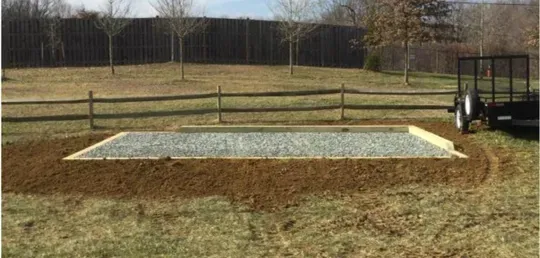
Gravel shed foundations are one of the most straightforward, economical, and durable types of shed foundations out there. In addition, they’re also one of the simplest to install on your own.
So, whether you’re a seasoned DIYer or just a homeowner looking to prep the site for your new shed, this guide should give you all the info you need to get the job done.
1. Gravel is the best type of foundation for your shed
There’s nothing quite like a gravel foundation for protecting a shed.
First off, it drains much better than a flat concrete pad. That’ll help protect the runners and joists under your shed from rotting and decaying.
Second, it supports your shed much better than shed foundation blocks. A gravel shed foundation distributes the weight of the shed evenly across all parts of the frame, instead of resting on only a few points with gaps in between. That’s especially important if you plan to store heavy equipment or a vehicle in your shed.
2. Gravel is one of the easiest shed foundations to install
Anyone with at least intermediate construction/tools skills can handle installing a gravel shed pad. Plus, there’s no need to get a concrete truck in your yard to pour this foundation! You can haul all your supplies in with a wheelbarrow and use hand tools to do the work. (We’ll be honest, though, power tools will really speed up the process and save some sweating!)
3. Gravel is one of the most economical types of shed foundation
For a durable foundation that will support your shed adequately, it’s hard to find a better priced option than a gravel pad. Both materials and labor will be less expensive than for a similar foundation built from concrete.